

Forget race results, carbon obsession, and chasing seconds on Strava. The Marin San Quentin 3 is a different kind of hardtail. One built for getting sideways, catching air, and reminding you why mountain biking was so damn fun in the first place.
swedish version: https://edgemagazine.se/marin-san-quentin-3/
Five years. That’s how long it’s been since I last owned a hardtail. Four years since I abandoned 27.5-inch wheels in favor of bigger things. And now I’m about to throw myself down a trail on a Marin San Quentin 3. What could possibly go wrong? Well, quite a lot, apparently.
Back to School – Getting Schooled by a Hardtail
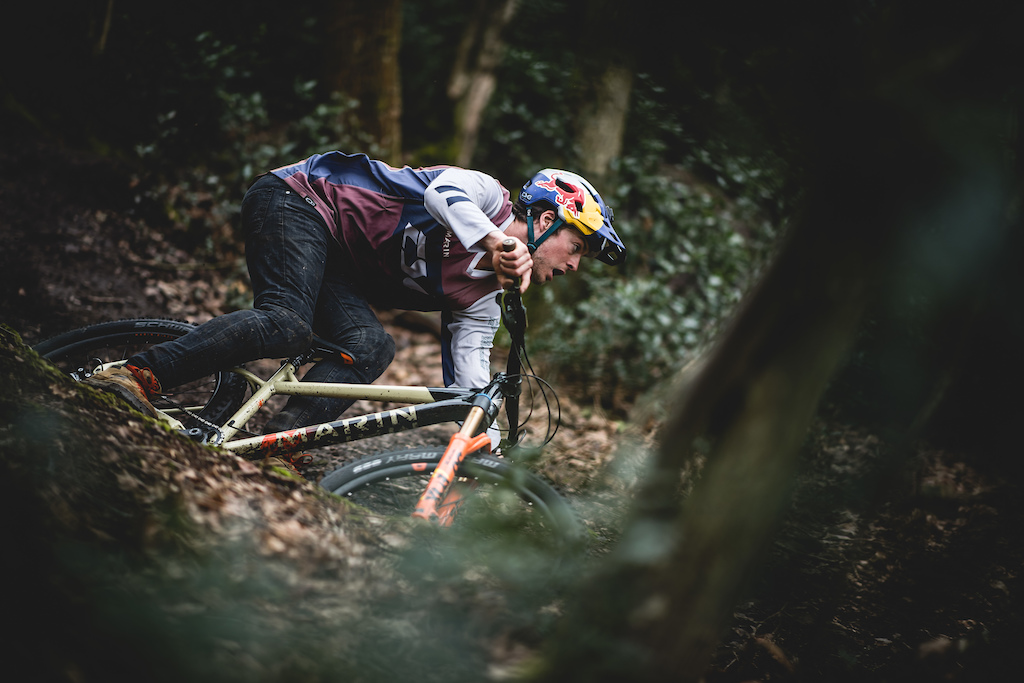
There’s something deeply humiliating about climbing onto a new bike and suddenly feeling like you’ve forgotten how to ride. That’s exactly what happened. The moment I started pedaling toward the trail, everything felt wrong. The cockpit, the handling, the way the bike responded beneath me. Years of riding full-suspension bikes and 29-inch wheels had apparently turned me into a spoiled little princess. I kept repeating the same ridiculous mantra: I know how to ride. I’m good at this. What the hell is happening? It didn’t help. My confidence disappeared faster than a free beer at a mountain bike festival.
Eventually, I stopped, dropped the bike on the ground, and stared at it. The aggressive geometry. The gorgeous paint job. The components. Everything about this thing screamed fun. It looked like a damn amusement park on two wheels. And somehow, it was kicking my ass. I stood there having a conversation with a bicycle. Yes, an actual conversation. The kind of embarrassing nonsense you’d expect from a teenage horse magazine. Listen here, you little bastard. You’re not going to beat me. We’re going to make this work. You and me. Desperate times call for desperate measures
Marin San Quentin – Tech Edit from Marin Bikes on Vimeo.
Back on the bike, I started with some easy downhill sections, a few switchbacks, and just enough rough terrain to keep things interesting. Then I pedaled back up and did it all again. Slowly, things began to click. The cockpit started feeling familiar. My body relaxed. I stopped fighting the bike and started working with it. Confidence returned, one corner at a time.
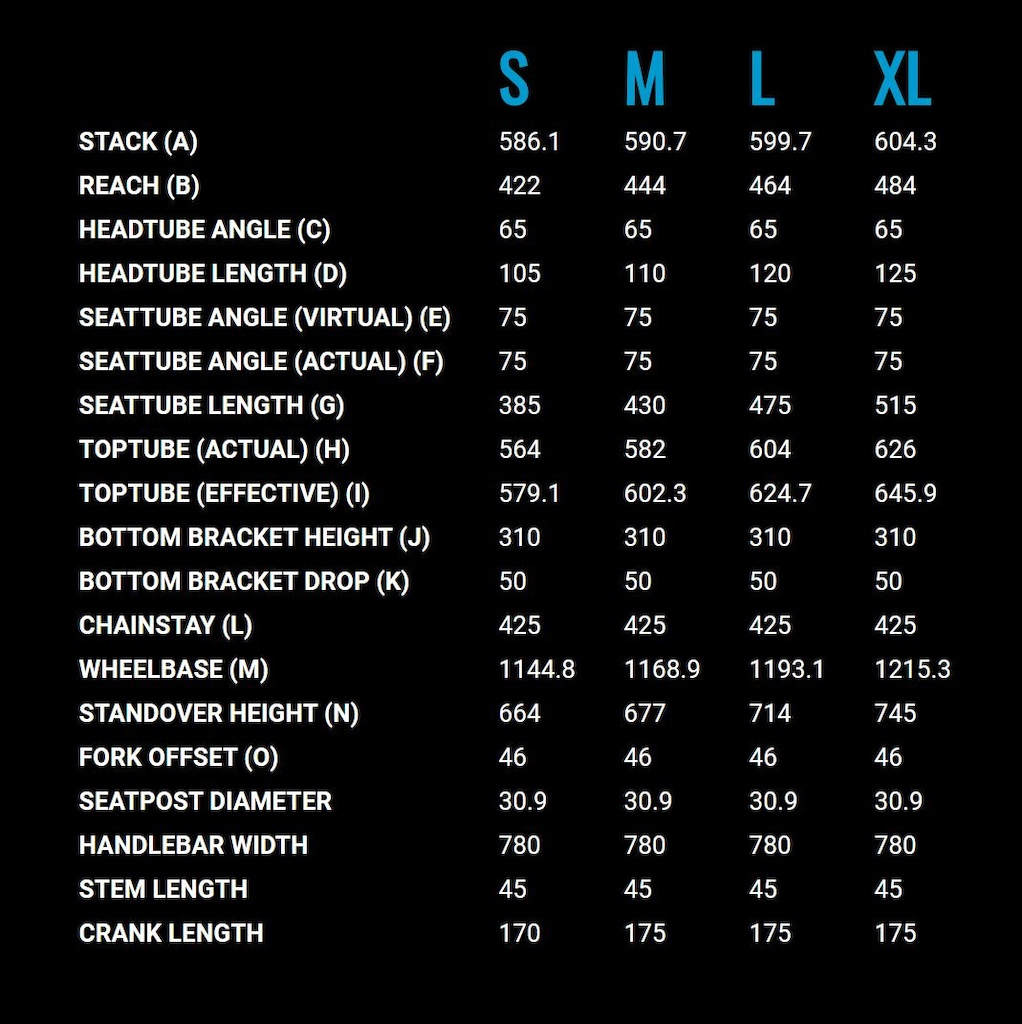
Eventually, I worked up the courage to tackle some more technical sections, letting the 130mm RockShox Revelation RC fork do its thing through dirt, rocks, and wet roots. The San Quentin’s slack 65-degree head angle gives it a distinctly gravity-oriented personality. Point it downhill, release the brakes, and the bike starts making sense. But there’s a catch. After years on 29-inch wheels, I’d become accustomed to rolling over obstacles with relatively little drama.
The smaller 27.5-inch wheels demanded a slightly different approach. More attention. Better line choice. And sometimes a little extra momentum. Unfortunately, I learned that lesson the hard way. One moment I was riding. The next, I was flying over the handlebars like a sack of potatoes. Straight into the dirt. The bike landed safely in some soft bushes. My dignity wasn’t quite so lucky. Still, there’s nothing like eating a little Swedish soil to remind you that mountain biking is supposed to keep you humble. I picked myself up, brushed off the dirt, and got back on. Strangely enough, I felt better. Sometimes you just need to crash to loosen up.
Built for the Downhill – And a Little Bit of Trouble
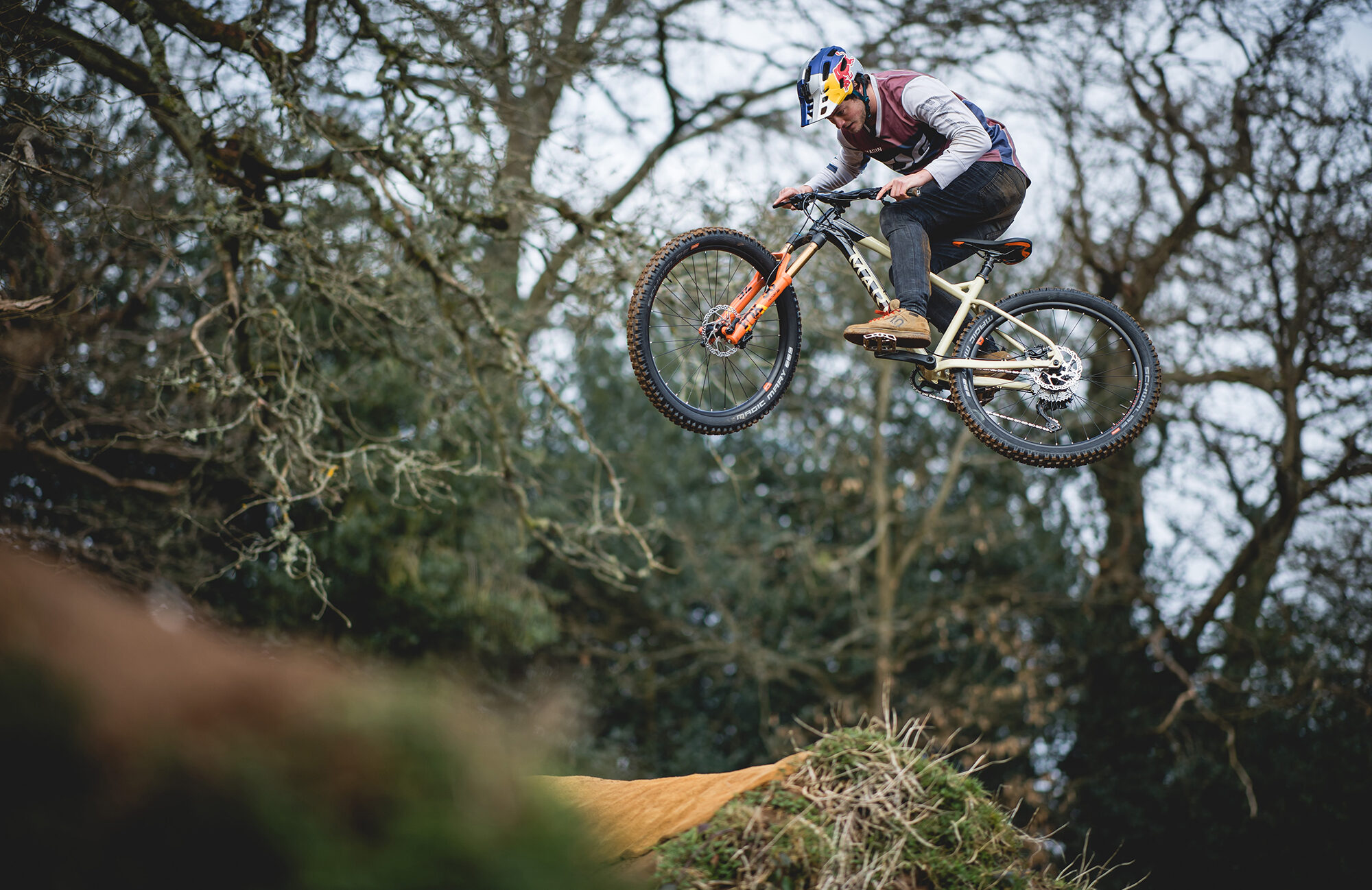
With my confidence slowly returning, I decided it was time for some jumps. Now, I’m not going to pretend I’m some gravity superstar. I’m certainly no Matt Jones. But put a few decent jumps in front of me and I’ll usually give them a shot. And this is where the San Quentin really comes alive. The bike feels playful, responsive, and surprisingly eager to leave the ground. Quick direction changes, fast corners, little jumps, and rough downhill sections suddenly become the highlights of the ride.
It’s almost as if the bike has been waiting for me to stop messing around and finally understand what it’s all about. Speed. The San Quentin loves carrying momentum through rough terrain. Give it room to move, stay light on the pedals, and it rewards you with an incredibly entertaining ride. Of course, a hardtail will never offer the same forgiveness as a full-suspension enduro bike. Your legs become the rear suspension, and line choice matters. But that’s part of the attraction. The bike demands something from you, and when you get it right, the reward is immediate.
Swedish mountain biking has a personality of its own. Forget endless bike park flow trails. Much of our local riding consists of rocks, roots, awkward climbs, and technical sections that seem specifically designed to destroy your rhythm. Traditional cross-country territory. Not exactly the first environment that comes to mind when looking at the San Quentin’s aggressive geometry. Naturally, I decided to take it there anyway.
My local trail is roughly 90 percent rocks and roots. Uphill, downhill, sideways. If there’s an opportunity for a rock to get in your way, you’ll find one. Flow? Not so much. By this point, my relationship with the San Quentin was still developing. My riding probably wouldn’t have impressed my grandmother, but at least I was becoming remarkably good at falling off. That’s something, right?
Momentum Is Your Friend – Until It Isn’t
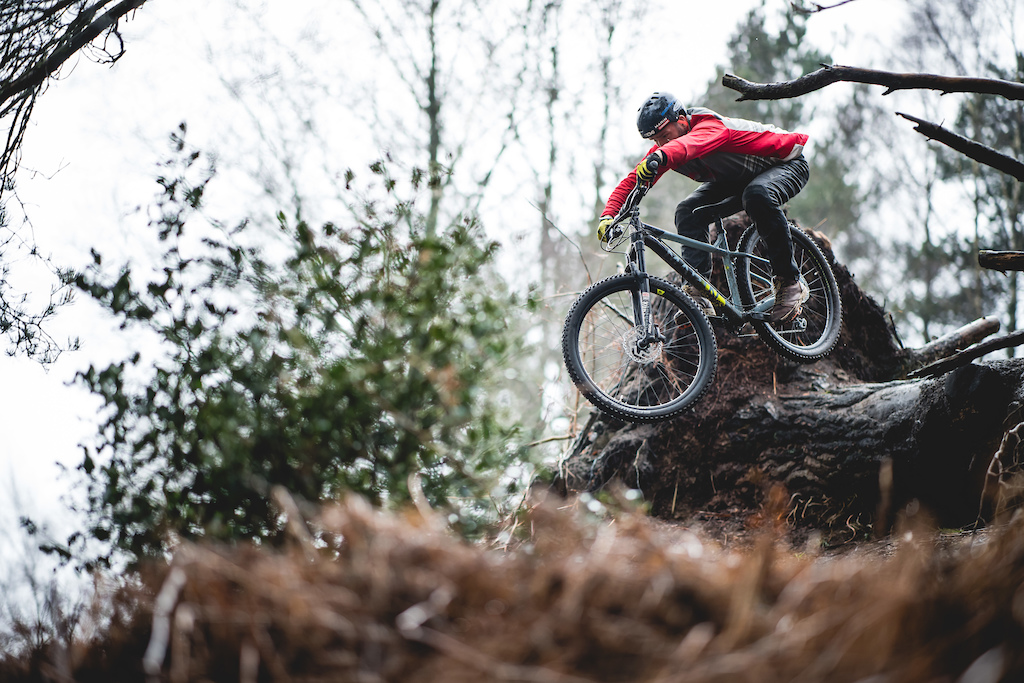
The first rocky section immediately reminded me why I’d grown so fond of 29-inch wheels. Where my usual bike would simply roll through, the San Quentin demanded more attention. I pushed harder, built some speed, and tried again. Fortunately, the drivetrain performed beautifully.
The Shimano SLX 11-speed setup, paired with a SunRace 11–46T cassette, shifted smoothly and reliably. It might not have the prestige of a high-end Shimano XT or SRAM Eagle drivetrain, but out on the trail, it did exactly what I needed. No drama. No complaints.
One advantage of the smaller wheels is the lively acceleration and quick handling. Once I found the right rhythm, the bike became much easier to throw around. Wet roots, tight corners, and short bursts of acceleration started feeling natural. Then came a drop. A slightly sketchy one, too. The kind that makes plenty of riders get off and walk. I pointed the bike downhill, committed, and let it roll. Beautiful. The San Quentin stayed composed, tracked confidently through the descent, and made the whole thing feel surprisingly straightforward. Then the trail turned uphill, and the party was over.
I raised the X-Fusion dropper post, settled into the saddle, and started climbing. A short gravel section quickly turned into a technical uphill trail filled with large rocks, sharp edges, and deep gaps. A few pedal strokes later: CLANK! That unmistakable sound of aluminum meeting stone. Pedal strike. Annoying, but nothing unusual. I adjusted my line, built some momentum, and tried again.
CLANK! Seriously? Another rock. Another pedal strike. At this point, I was beginning to wonder whether the trail had declared war on my crankset.
The San Quentin has a relatively low bottom bracket, and its 27.5-inch wheels don’t offer quite the same rollover characteristics as larger wheels. Combined with the technical terrain, it meant I had to pay much closer attention to pedal position and timing. Something I clearly wasn’t doing particularly well. Every attempt to maintain momentum seemed to end with another expensive metallic noise. My poor pedals were taking an absolute beating. The trail was turning into a graveyard for aluminum.
Eventually, I admitted defeat. This wasn’t the San Quentin’s natural playground. Yes, a skilled rider could negotiate those sections with better technique and timing. But I wasn’t having much fun, and neither were my pedals. I pushed on toward the top, slightly irritated and thoroughly unimpressed with my progress. Then the trail pointed downhill again, and just like that, everything changed.

Half the Speed, Twice the Fun
The moment the trail dropped away, the San Quentin transformed. Fast corners. Rough sections. Little jumps. Rocks flying past. Suddenly, I was grinning again. The bike felt alive beneath me, bouncing through the terrain and snapping through corners with the enthusiasm of a cow being released into a green field after a long Swedish winter.
It’s difficult to explain just how entertaining this bike becomes when you stop treating it like a conventional cross-country hardtail. It wants to play. It wants to jump. And it definitely wants to go downhill. A few kilometers later, I stopped and checked my riding time. Not exactly impressive. Compared with my usual bike, I’d been considerably slower. But here’s the thing: Half the speed. Twice the fun. That pretty much sums up the Marin San Quentin 3.
You’re probably not going to win a cross-country marathon on this thing. And if setting personal records is your main motivation, there are far more efficient bikes available. But if your definition of a good ride involves laughing, taking questionable lines, and occasionally getting yourself into trouble, the San Quentin makes a compelling argument.
Components, Upgrades and a Few Personal Tweaks
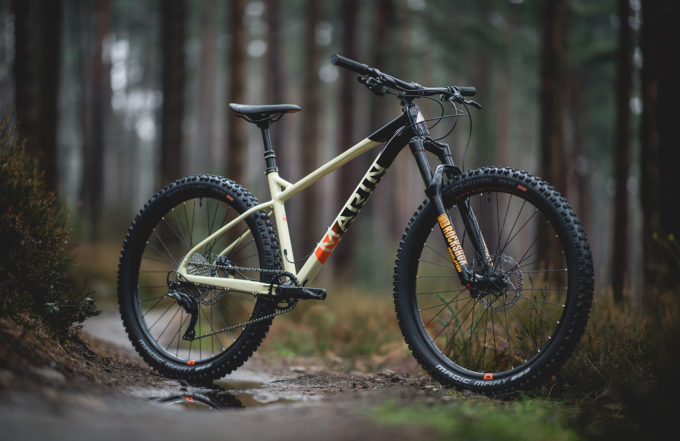
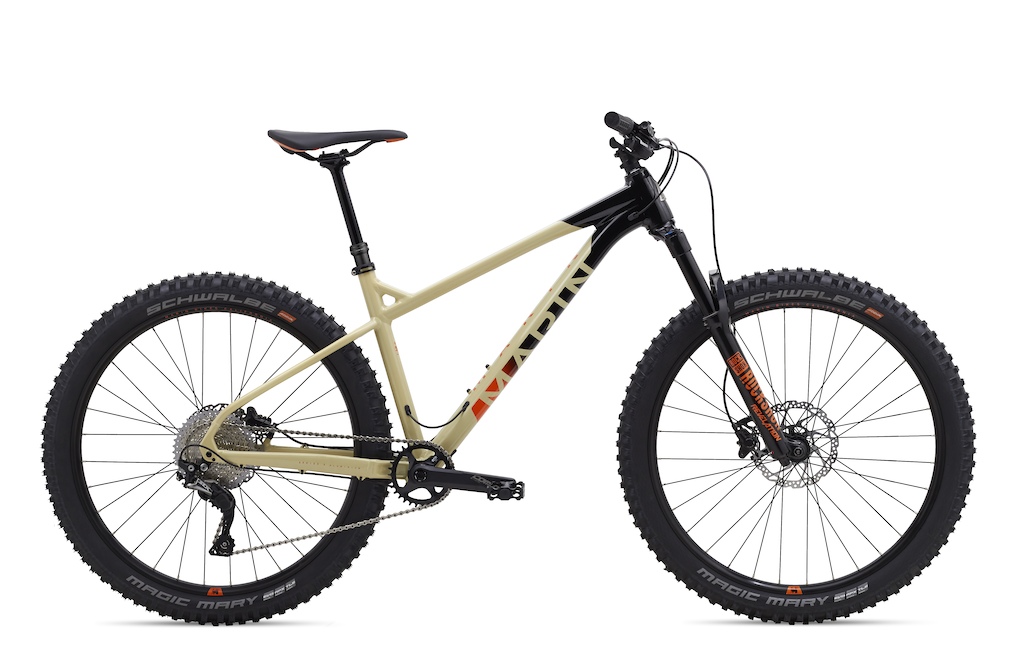
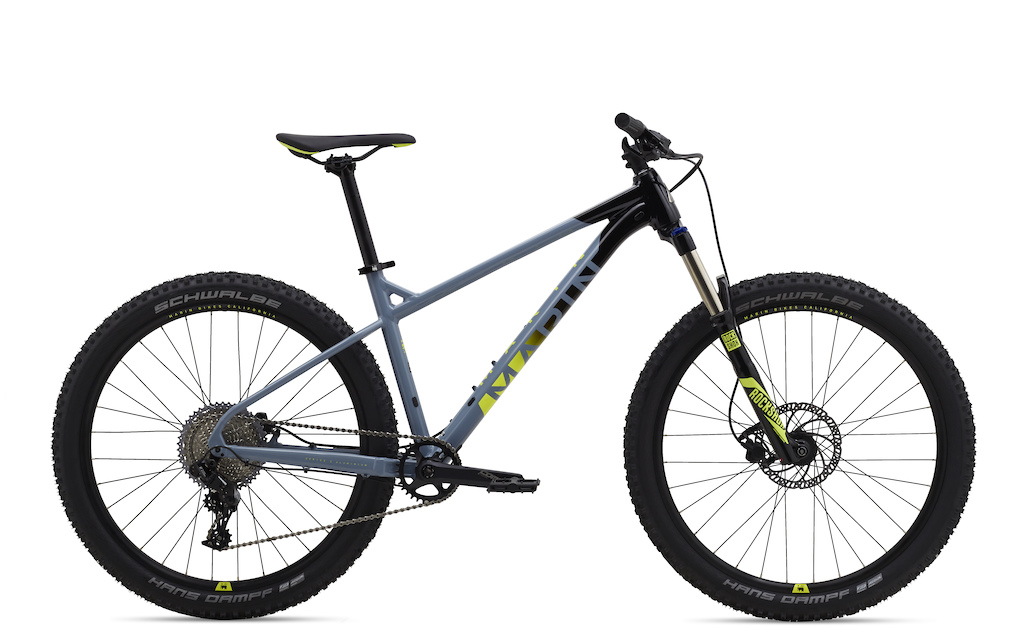
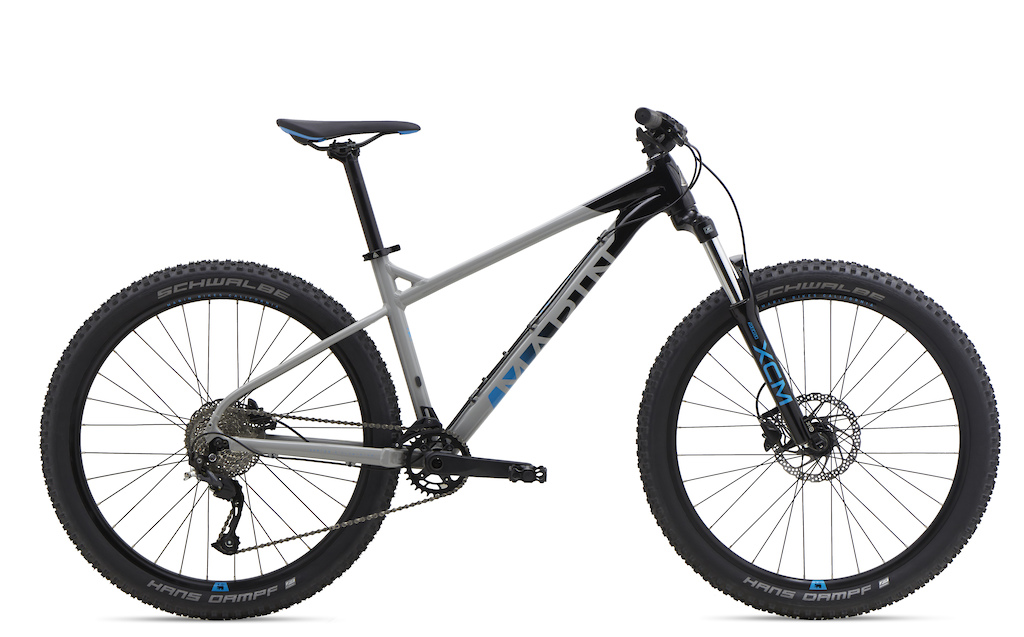
The San Quentin 3 sits at the top of the original three-bike San Quentin range, above the more affordable San Quentin 1 and 2. The frame is built from Series 3 6061 aluminum, and the overall package is refreshingly straightforward. No exotic carbon construction. No unnecessarily complicated suspension systems. Just a solid aluminum hardtail with aggressive geometry and a sensible selection of components.
The bike weighs a little over 13 kilograms, depending on the exact build and configuration. That’s hardly featherweight territory for a hardtail, but then again, this isn’t a bike designed for chasing podiums in Lycra. My first instinct was to start upgrading things. Better brakes. Shimano XT drivetrain. Maybe a few other expensive bits I could convince myself were absolutely necessary. You know how it goes. But after spending time on the bike, I started questioning whether any of those upgrades would actually make a meaningful difference.
The drivetrain shifted beautifully. The brakes did their job. The suspension performed well, and nothing about the bike felt particularly cheap out on the trail. Sure, a more demanding rider might appreciate stronger brakes, especially for sustained gravity riding. But for my purposes? Everything worked. And that’s worth remembering in an industry where we’re constantly being told that the next expensive upgrade will somehow transform our riding. Sometimes the components you already have are perfectly good.
Naturally, I couldn’t leave the bike completely alone. I replaced the handlebar almost immediately, mostly for cosmetic reasons, and swapped the stem to get a cockpit setup that suited my preferences. Nothing revolutionary. Just a few personal adjustments to make the bike feel more like mine. The wheels are tubeless-compatible, so converting them was another obvious step.
The original Vee Tire Flow Snap 2.6-inch tires were decent all-round performers. They worked reasonably well across different surfaces, but I wasn’t particularly impressed with their grip in wet conditions. Compared with something like a Maxxis Minion DHR or High Roller, I found the Vee Tires less confidence-inspiring when things became slippery. And in Sweden, slippery is practically a permanent trail condition. A tire upgrade would probably be one of my first recommendations for riders who regularly deal with wet roots and muddy terrain.
Beyond that, I’d happily keep most of the original components until they genuinely needed replacing. Why spend money fixing something that isn’t broken?
Why a Hardtail? And Why the Marin San Quentin?
There’s a reason I wanted to get back on a hardtail. And no, it wasn’t because I suddenly developed a strange affection for suffering. I genuinely believe riding a hardtail can help improve your technique. Without rear suspension to smooth out every mistake, you’re forced to pay more attention to your body position, balance, line choice, and timing. Your legs have to work harder. Your movements become more deliberate. And the trail gives you immediate feedback when you get something wrong. Sometimes painfully immediate.
My idea was simple: spend more time on a hardtail, improve my technique, and hopefully carry those skills back to my full-suspension bikes. Whether that actually makes me a better rider remains to be seen. But it certainly makes me more aware of what I’m doing.
The San Quentin isn’t a traditional cross-country hardtail. It’s a bike designed around a much more playful, gravity-influenced approach to mountain biking. The 27.5-inch wheels are an important part of that personality. I’ll admit I was skeptical at first. After years on 29ers, going back to smaller wheels felt like a step backward. But after spending some time with the bike, I began to understand the appeal. The San Quentin feels lively, compact, and easy to move around beneath you. It encourages quick changes of direction, manuals, jumps, and all those little moments that make a ride memorable.
My interest in aggressive hardtails actually began several years earlier. Back in 2016, I had the opportunity to ride a Mondraker Vantage in the Alps, and I loved it. With its aggressive geometry and long-travel fork, the Vantage felt completely different from the traditional hardtails I’d ridden before. This was the kind of bike people often referred to as an alpine hardtail. A bike designed to handle serious descents without relying on rear suspension. It was simple, direct, and ridiculously entertaining.
Ever since that ride, I’d been looking for something similar. Unfortunately, finding a used Vantage proved almost impossible. Apparently, the people who owned them had no intention of selling. And with the model no longer readily available, my search continued. Eventually, I came across the Marin San Quentin 3. Developed with input from British freerider Matt Jones, it immediately reminded me of the Vantage. A little less suspension travel, but the same general philosophy: aggressive geometry, slack head angle, and gravity-oriented handling.
Jones comes from a world where style, jumps, bike control, and creativity matter just as much as outright speed. He’s the kind of rider who can make almost anything on two wheels look ridiculously easy. Think Zlatan Ibrahimović with a mountain bike instead of a football. That influence is easy to recognize in the San Quentin. It’s not a dedicated dirt jumper, nor is it a replacement for a proper downhill bike. But it borrows enough attitude from those disciplines to make ordinary trail riding considerably more entertaining.
I placed an order. Of course, nothing is ever that simple. The bike sold out before I could get my hands on one, leaving me waiting another three weeks. Three weeks of staring at pictures of a bicycle on the internet. We’ve all been there.
Marin isn’t exactly an obscure newcomer to mountain biking. Founded in California in 1986, the company has deep roots in the sport and takes its name from Marin County, one of the places closely associated with mountain biking’s early development. Yet in Sweden, Marin bikes have historically been a relatively uncommon sight. Our market tends to revolve around a handful of major brands, which is a shame because there’s an enormous world of interesting bikes beyond the usual suspects.
I eventually bought mine through Bikester. For reference, I’m 182cm tall and chose a size Large. The frame felt relatively compact compared with some of the longer full-suspension enduro bikes I’d been riding, but that was part of the appeal. The fit worked well for me, and the compact, playful feel suited the bike’s personality. Of course, frame sizing is personal. Reach, riding style, body proportions, and cockpit preferences all matter.
Final Verdict – A Hardtail That Refuses to Grow Up
The Marin San Quentin 3 is one of those bikes that reminds you why you started mountain biking in the first place. It’s simple, solid, unpretentious, and above all, ridiculously fun. It doesn’t need complicated suspension technology or an eye-wateringly expensive drivetrain to put a smile on your face. What it does need is the right terrain.
Give it a fast, playful trail with corners, jumps, drops, and a few opportunities to get airborne, and the San Quentin absolutely shines. Take it onto a slow, awkward, rock-infested technical climb, and you might start questioning your life choices. I certainly did. But that’s the beauty of a bike with a strong personality. It doesn’t pretend to be everything to everyone.
Could you ride it around town, grab an ice cream, and launch off the occasional loading dock on the way home? Absolutely. Would I take it to somewhere like Järvsö Bike Park or the enduro trails around Falun? I’d certainly be tempted. Would I choose it for a cross-country race? Not a chance.
The components are better than their modest price positioning might suggest. The geometry gives the bike a confident downhill character, and the overall package offers excellent entertainment value. Most importantly, it makes you want to ride. Not because you’re chasing a personal record or because your training plan says you need another 20 kilometers, but because there’s a trail around the corner, a jump you’ve been eyeing up, or a line you’ve never quite dared to try.
I bought the San Quentin because I wanted a new challenge. Something that would push my technique, test my confidence, and hopefully make me a better rider. It certainly delivered on the challenge. And somewhere between crashing into the dirt, smashing my pedals against Swedish granite, and laughing my way down the next descent, I remembered something important.
Mountain biking isn’t always about going faster. Sometimes it’s about having more fun. And the Marin San Quentin 3 delivers that by the truckload.
Originally tested in July 2020. Words and riding impressions: Leon Grimaldi | Edge Magazine